
Meet the Ocean's Wiggliest, Wackiest Wonders
Nov 03, 2026Happy World Jellyfish Day!
No brain? No heart? No bones? No problem! Meet the jellyfish, one of the ocean's most mysterious and mesmerizing creatures! These squishy, see-through swimmers have drifted through Earth's oceans for hundreds of millions of years, long before dinosaurs roamed the planet. And guess what? They don't need a brain, a heart, or even a skeleton to survive!
Every year on November 3, we celebrate World Jellyfish Day, a special occasion dedicated to discovering the incredible world of jellyfish and their important role in our oceans. Get ready to dive into a world of glowing creatures, surprising superpowers, and some seriously strange science!
Wait… Are Jellyfish Actually Fish?
Surprise! Despite their name, jellyfish aren't fish at all!
They're invertebrates, meaning they don't have backbones. Most of the animals we call jellyfish belong to a group called cnidarians, which also includes corals and sea anemones.
Their bodies are about 95% water, and instead of swimming with fins, they move by pulsing their bell-shaped bodies.
Imagine floating through life without a brain, heart, or bones. Sounds impossible, right? Not for jellyfish!
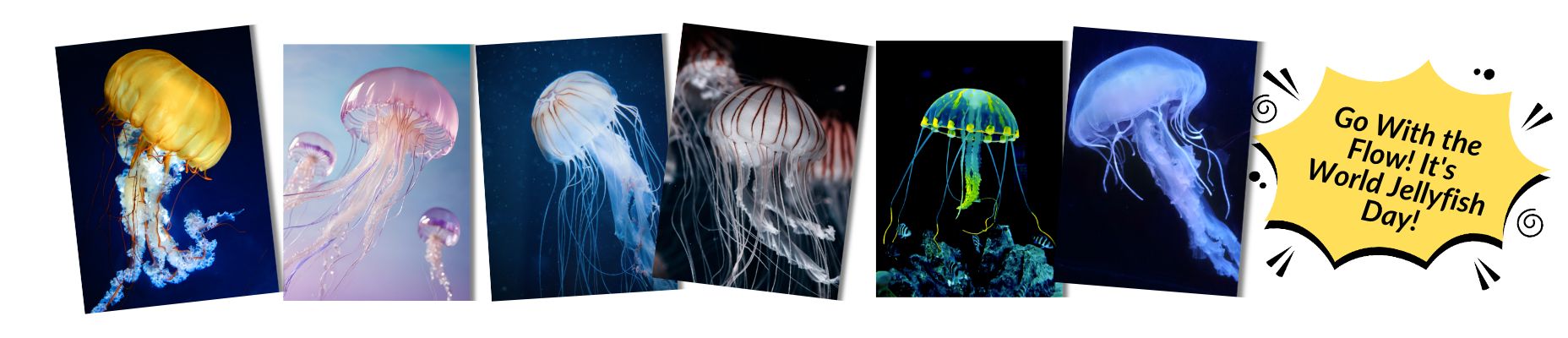
Here are 3 Wild and Wacky Facts That Will Blow Your Mind!
1. Some Jellyfish Glow in the Dark! Certain jellyfish produce their own light through a process called bioluminescence. Others contain fluorescent proteins that glow under particular wavelengths of light. Talk about an underwater light show!
2. They're Older Than Dinosaurs! Jellyfish have been around for at least 500 million years, making them one of the oldest groups of animals on Earth. They were swimming in the oceans long before dinosaurs appeared!
3. Some Jellyfish Are Longer Than Blue Whales! The lion's mane jellyfish can have tentacles stretching more than 100 feet long. That's longer than many blue whales!
Would You Like to Work with Jellyfish? Explore Careers with Critters:
Love jellyfish? Imagine turning your fascination with these incredible creatures into an exciting career!
Here are five awesome careers worth exploring:
-
Jellyfish Aquarist: Care for jellyfish in specialized aquarium exhibits, prepare their food, and maintain ideal water conditions.
-
Marine Biologist: Study jellyfish behavior, reproduction, and their role in ocean ecosystems.
-
Oceanographer: Investigate how ocean currents, temperatures, and environmental changes affect jellyfish populations.
-
Marine Conservation Scientist: Research ways to protect marine habitats and understand how jellyfish populations respond to environmental changes.
-
Underwater Photographer: Capture spectacular images and videos of jellyfish to inspire people to appreciate and protect ocean wildlife.
Who knows? Your future career might involve discovering something completely new about these mysterious ocean drifters!
Why Are Jellyfish Important to Our Oceans?
Jellyfish might look like floating blobs of jelly, but they're important members of marine ecosystems.
They provide food for sea turtles, ocean sunfish, and other marine animals. Some small fish even hide among jellyfish tentacles for protection!
Jellyfish also help move nutrients through ocean food webs, making them part of the complex balance of life beneath the waves.
But like many marine creatures, jellyfish are affected by pollution, rising ocean temperatures, and habitat disruption.
Become a Critter Saver Champion: Take the Jellyfish Challenge!
You don't need to dive into the ocean to celebrate World Jellyfish Day. Here are three fun ways to get involved!
Challenge 1: Become a Jellyfish Detective!
Choose three different jellyfish species and investigate their unusual adaptations. Discover where they live, what they eat, and what makes each one unique.
Challenge 2: Create a Jellyfish Conservation Poster!
Design a colorful poster featuring your favorite jellyfish and a message about protecting ocean habitats. Share it with your school, family, or friends.
Challenge 3: Explore a Jellyfish Exhibit!
Visit a local aquarium or watch a jellyfish livestream to observe these amazing animals in action. Notice how they move, feed, and interact with their surroundings. Remember to admire wild jellyfish from a safe distance and never touch them.
